Custom House Wharf is one of those places in Portland that looks and smells exactly the way tourists expect our fair city to look and smell. The salty, fishy tang in the air mingles with the aroma of fried seafood. Crusty old mariners and ramshackle buildings combine to create a postcard-worthy snapshot of a quaint little city by the sea.
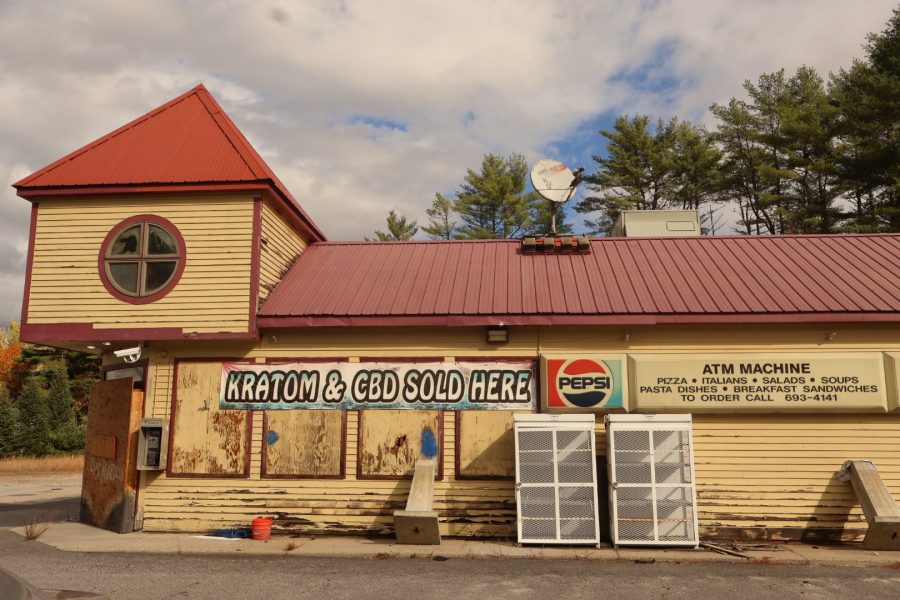
But the intrepid tourist who strolls down the wharf will eventually encounter a building that’s considerably less charming: an abandoned, half-burnt structure that looks like it might tumble into the water if a seagull dared alight upon it. Thirty-eight Custom House Wharf has obviously seen better days.
Local historian and legislator Herb Adams said this and other structures on the wharf may date back as far as the 1850s. The wharf supported a once-thriving fish trade, and the government operated machine shops there during World War II. Casco Bay Lines called the wharf home until the 1980s. The dump itself may have been a warehouse. City planner Bill Needleman recalls watching fish being unloaded from boats into the building many years ago.
Details are sketchy, but this much is certain: the building has been in bad shape for a long time. Captain Gregory Cass of the Portland Fire Department has a timeline of service calls to Custom House Wharf, and his best guess is that a major fire ripped through it in July of 1990.
Eighteen years is an awfully long time for a burnt-out building to be allowed to remain standing, said Mark Usinger, whose ship chandlery, A.L. Griffin, was formerly located on the wharf. Usinger said City Hall has a habit of ignoring problem properties like 38 Custom House Wharf. “That wharf has been a classic example of them leaving some people alone,” he said.
Wharf owner Ken McGowan, however, would hardly say the city’s left him in peace. For example, last December, city inspectors posted two other properties he owns on Custom House, the Comedy Connection and the former Boone’s Restaurant, prohibiting occupancy due to structural problems related to the decking and pilings. (The issue was subsequently resolved, and the Comedy Connection reopened after a couple weeks.)
McGowan said he would fix the building, but is “hampered by regulations on the waterfront.” He got a demolition permit for the property in early February, but only plans to take down the top floor. If he did a full demo, McGowan said he’d have to put down a new deck slab, a job he estimates would cost around three quarters of a million dollars.
Erecting a new building in hopes of securing a tenant wouldn’t be cost-effective, either, he said. The pool of potential rent-payers is restricted by zoning to those involved in marine-related business. “The expenses of replacement and the limited number of people who go on the waterfront doesn’t make it a viable thing,” said McGowan. “It’s cheaper to leave it empty.”
Needleman has some sympathy. “Physical constraints make redevelopment more difficult,” he said. “It’s a real challenge for him.”
Captain Cass is less sympathetic. He said a sailor who docks his boat nearby has been using the dump for storage. “We don’t want him in there,” said Cass. “We deemed the structure to be completely unsafe and unsound, and it probably should have been dealt with years ago.”
McGowan got his demo permit on Feb. 6. It’s good for 30 days. That is, unless a gull beats him to it.
— Patrick Banks