A New Pitch
When the owners of the Portland Hearts of Pine pro soccer team announced plans to build a stadium with up to 11,000 seats, I felt grateful that they hadn’t pressured city officials into expanding Fitzpatrick Stadium, their current home, instead. That would almost certainly have required removal of the track surrounding the field, displacing Portland High’s outdoor track-and-field teams.
Fortunately, the team has sold out every home game and has 8,000 names on its season ticket waiting list. Fitzpatrick, with its 6,000 seats, is simply too small for the Hearts.
To their credit, the club is proposing to build on an underutilized, environmentally troubled site in need of redevelopment on Cassidy Point, the spit of land at the far western end of Portland’s waterfront. A 45,000-ton pile of coal currently sits on part of the site. In response to concerns by neighbors about fires, coal dust and other contamination there, Portland officials passed an ordinance last summer requiring the pile to be permanently covered by the end of this year and removed by 2030.
The Hearts hope to begin construction next year and open the stadium in early 2029. Their announcement didn’t dwell on the coal cleanup, but did note the project “would transform this fenced-off industrial property into a community-centered destination that will improve public access to the waterfront and provide new spaces for residents of all ages to enjoy.”
Early enthusiasm about the plan has been tempered by concerns the stadium would displace working waterfront infrastructure, including a pier and nearby warehouses. The city would need to change the zoning law that defines which activities are allowed on this part of Cassidy Point in order for the stadium project to move forward.
The loss of waterfront property essential for fishing and shipping has been controversial in Portland since the 1980s, when condo projects were proposed on private piers. The city has repeatedly loosened zoning rules to allow more non-marine uses, like restaurants, condos and law offices. This was done primarily due to pressure from pier owners, who need high-paying tenants to maintain their costly wharves, but have lost business as the fishing industry, in particular, has declined.
Yet as waterfront workers point out, once you lose maritime infrastructure to non-marine uses, you never get it back.
Anticipating these objections, the Hearts have promised to preserve the 600-foot pier at Cassidy Point and say they have found a partner to restore it and continue to accept cargo there. Nick Skally, a spokesperson for Sprague Energy, which owns the site, suggested to the Portland Press Herald that the company may consolidate its cargo handling and storage operations at waterfront property it owns in South Portland if the stadium project is a go.
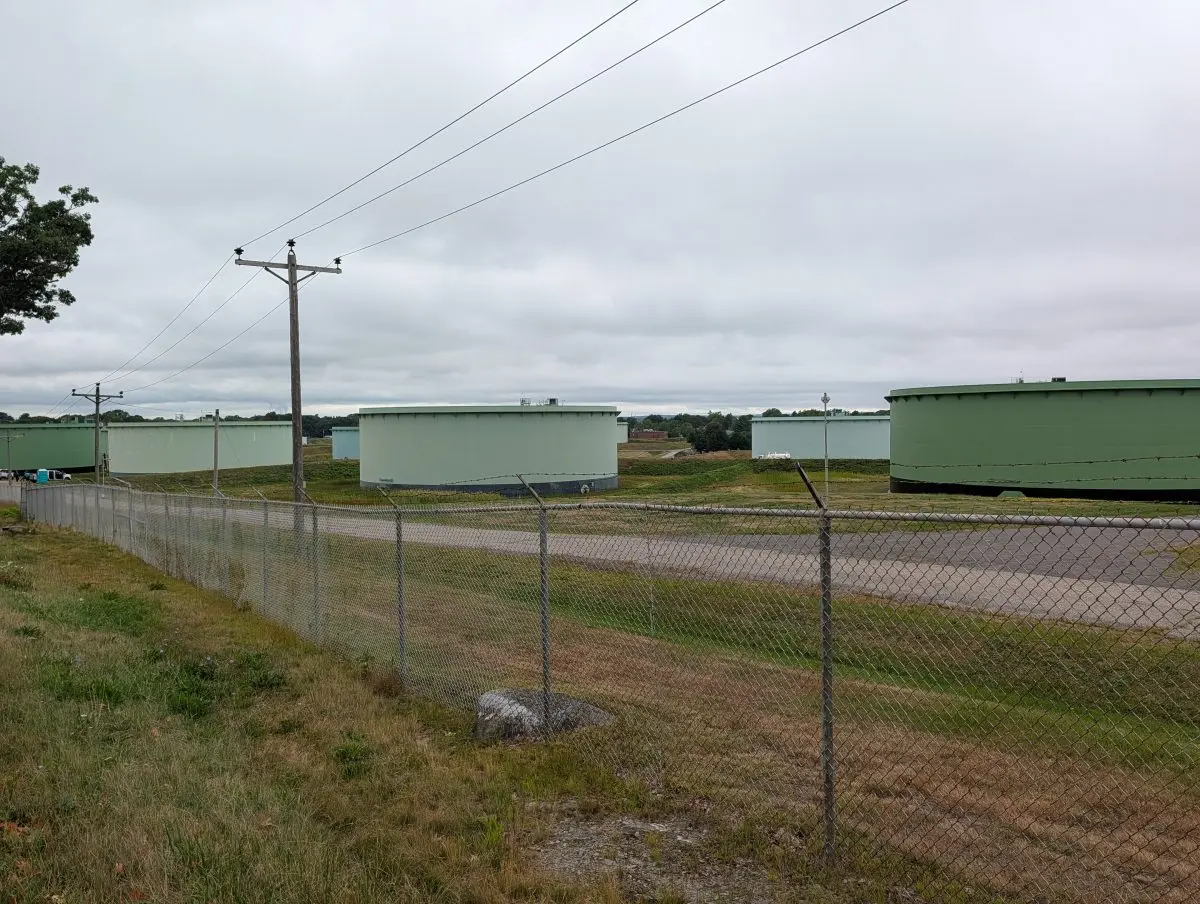
There are other hurdles the Hearts must jump, including concerns about parking and traffic. But if the Cassidy Point deal falls apart, there’s another former industrial site waiting for cleanup and redevelopment: the Portland Pipeline facility in South Portland’s Nutter Hill neighborhood, which used to move 150 million barrels of crude oil a year, but is now all but defunct.
The pipeline site checks many of the same boxes Cassidy Point does. The community wants the old tank farm repurposed. It’s on two Metro bus routes, and the South Portland Greenbelt — the six-mile walking and biking trail from Bug Light to Wainwright Recreational Fields — runs right past it. It’s close to a high school that would be closed during matches, a defunct elementary school, and a church, offering ample parking at low, low rates.
South Portland residents and officials have already begun preliminary planning for the 100-acre site’s future redevelopment. Hearts of Pine co-founder Jonathan Culley, managing partner of local developer Redfern Properties, is surely aware of the South Portland site.
The Hearts would be smart to get their pitch in for this property before someone beats them to the ball.
Do you know of an even better place for the Hearts’ new stadium? E-mail your ideas to Tom Major at leagueofbollards@gmail.com.