DEI: In Word or Deed?
We seem to be living in a world that’s only getting more divided. You’re either Left or Right, Liberal or Conservative, Traditional or Progressive. We’re so tied to these identities that there’s no room for reason, care or curiosity. We’re so committed to protecting our political identity that we’re no longer capable of constructively discussing social issues.
Diversity, Equity and Inclusion (DEI) is one of those issues. Some companies and institutions hang their DEI statement on a wall but stay stuck in the structurally violent status quo of implicit bias, microaggressions, and embedded exclusion based on race, ethnicity, gender, sexual orientation, and involvement in the criminal legal system. As James Brown once sang, “sayin’ it and doin’ it” are “just as much different as night and day.” We need more doers in the world.
DEI initiatives arose, in part, as a call for nonprofit organizations and the corporate world to move beyond affirmative action. Despite the historical fact that racial and gender inequality “is built into this nation’s founding laws and institutions,” as I wrote in last month’s column, the most privileged class of people in the United States — politically engaged, white, cisgendered men — were crying “reverse racism” when affirmative action was implemented, and pushed to close the door on a future of racial equity.
This ongoing battle is fought in legislatures, “human resource” offices, hiring committees and breakrooms across the country. Who “deserves” to be hired? Who “deserves” an opportunity to break the intergenerational cycle of poverty in the family and community they didn’t choose to be born into? Everybody has a right to their opinion, but what happens when that opinion is exercised to infringe upon the wellbeing or livelihood of others?
DEI is supposed to protect against such infringement, and some are now adding a “J” to it for “justice-impacted.” Because discrimination based on criminal history is legal and commonplace, the “J” is very much needed. As I wrote with Dr. Catherine Besteman in the series “A Restorative Pathway to Decarceration and Abolition,” justice-impacted people are openly discriminated against in their efforts to secure employment, housing, loans, medical treatment, insurance, and many other necessities. There are upwards of 45,000 collateral consequences connected to involvement in the criminal legal system.
BIPOC and 2SLGBTQ+ people are perpetually over-represented in the carceral system and underrepresented in the halls of power — from management to the board room, local to national politics, vulnerable-bodied people are scarce. Those who do manage to attain high status tend to come from a background of socioeconomic advantage. Those who did not have this advantage, yet managed to succeed, are often tokenized and weaponized against the rest of the bootless people who are told they should be like those exceptional few and pull themselves up by their bootstraps.
There is a massive difference between using DEI/J language in public statements, or creating a position that carries the title without the power to institute meaningful change, and doing the daily work of cleaning out the toxic conditioning that persists from the racist, sexist, capitalist, colonialist foundation of this nation and all its systems and structures. Yes, this applies most directly to jails, prisons, policing, corporations and politics. But it also applies to nonprofit and social-justice organizations that prop up a vulnerable-bodied face or two in high positions without deeply hearing, honoring or substantively implementing their experience-informed guidance.
If you lead an organization or business that claims to practice DEI/J, please ask yourself: What are we doing to combat systemic racism, implicit bias and racial profiling among our staff and leadership? Are we stuck in the gender binary, or are we able to see and honor people who hold 2SLGBTQ+ identities?
If you engage in this reflective practice honestly and see that your company or organization comes up short, do something about it. Look for anti-racism, gender-inclusion and anti-colonialism training tools endorsed by abolitionist organizations. In my use of abolition, I hearken again to the series I wrote with Dr. Besteman: abolition is about building community. An abolitionist future is a holistically healed future.
If we continue to divide ourselves, we will continue to perpetuate suffering and oppression. If we come together and constructively seek concrete solutions to issues raised by DEI/J, operating from a place of love and care, we might one day realize our collective potential.
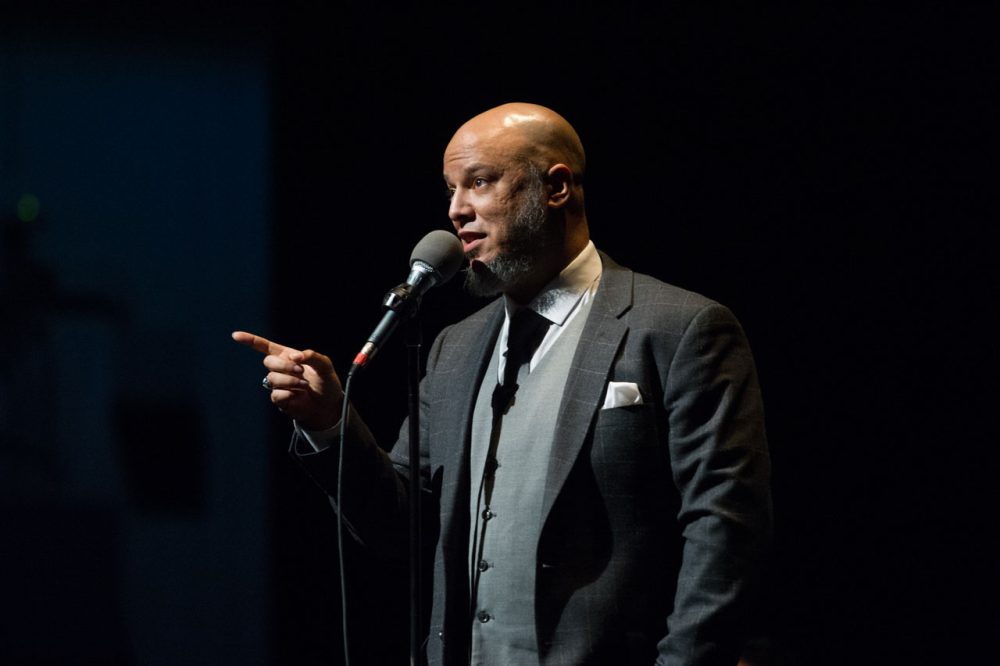
Leo Hylton is a PhD student at George Mason University’s Jimmy and Rosalynn Carter School for Peace and Conflict Resolution, currently incarcerated at Maine State Prison. His education and work are focused on Social Justice Advocacy and Activism, with a vision toward an abolitionist future. You can reach him at: Leo Hylton #70199, 807 Cushing Rd., Warren, ME 04864, or leoshininglightonhumanity@gmail.com.