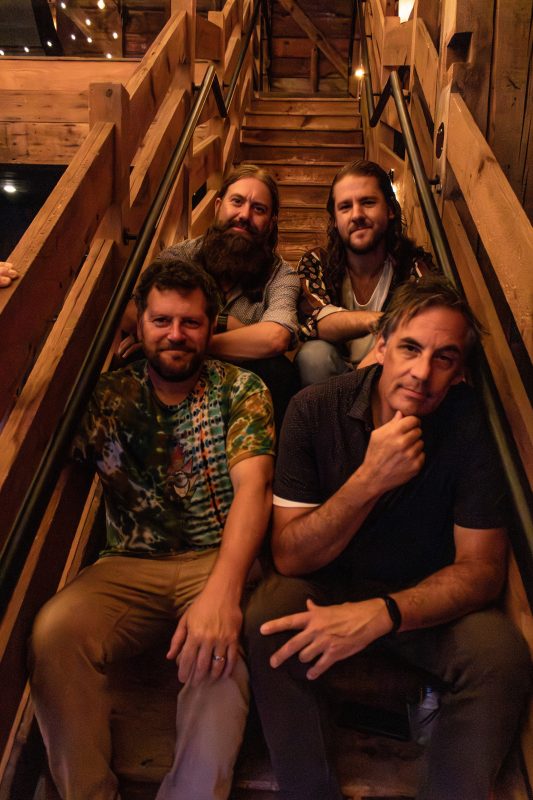
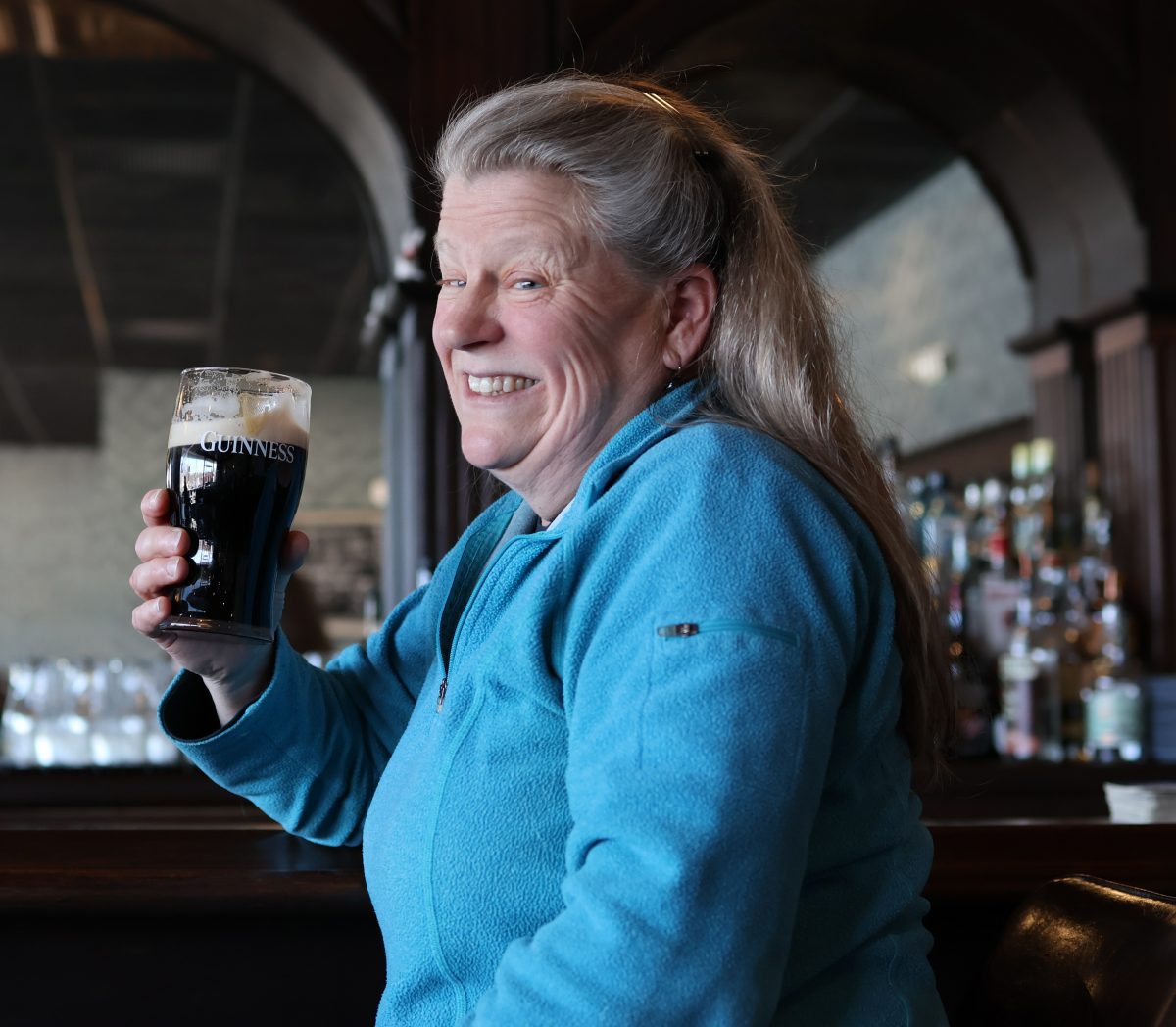
Tim Chalmers, 34, works for Conroy-Tully Crawford and moonlights as a mascot.
The Bollard: So, what is your official title?
Chalmers: I’m a funeral director, or practitioner. An undertaker. I meet families, make arrangements, pre-
need and at need. I transfer the bodies, do embalming and prep, makeup — cosmetizing.
Cosmetizing?
That would be the line item on your bill: ‘cosmetizing.’ I’m not big on the makeup. Some people like to use a lot of makeup.
And your other job?
I’m Slugger the Seadog. Well, there are a couple of us primary people. I’d say he has three personalities.
And you’re one of them.
Yeah. But I’ve been a mascot for twelve years. I’ve been Oakie the Oakhurst Acorn, Crackers…
The parrot?
For the Portland Pirates. I’ve also been Salty Pete.
The Pirate.
Yes. Umm, let’s see. I was a Wompkee in the Macy’s Thanksgiving Day Parade, Humpty Dumpty—when he was around—Mercy Bear, Martin P. Moose.
How did you get into it?
I was unemployed. I saw this ad, and you had to write an essay: ‘Why would you make a great nut?’
Is it fun?
It’s kind of a vice. You’re able to behave in a manner … you can approach anybody. You’re able to do a lot of things normal people can’t do: go through a stranger’s purse in front of six thousand spectators, hug people, walk into traffic. There are no barriers. And it puts me in places I would never be—at parades for the Pats; or at the Fenway; shaking hands with governors.
Are there challenges?
It’s hot in there! You’ve got to find those little nooks and take your head off and cool down.
I’m sure everyone asks you this, but why the funeral business? Did you always want to be an undertaker?
Well, I worked for a funeral home in high school. The guy that ran it was a great guy, very respected in the community. I washed the cars, that kind of thing. And there was always this ‘don’t go behind the curtain’ rule. It was always in the back of my mind. What we do is a lot of presentation—we’re staging things. I wanted to know what happens up to that point.
Hmm. So what’s behind the curtain?
Bodies.
Yikes!
You get used to it.
Has the show Six Feet Under changed people’s perceptions of the funeral industry?
I think it’s a good thing. I mean, it’s a dramatization, but there is a lot of truth to it. [The show] has sort of softened the blow for people entering into that situation, because before it was all a mystery — what happens. Now they know it’s not all spooky.
What is the most challenging aspect of the job?
I’d definitely say it’s the pressure. Let’s say we get a body on a Monday—we’ve got until Wednesday. But the family comes in sooner, to make sure everything is OK, and you can’t make mistakes. Even the littlest thing. Everything can be great, and the name [of the deceased] isn’t spelled right in the obituary —disaster. People don’t know what we have to do. They give you a photo from fifteen years ago, and say, ‘Make Mom look like this.’ We had a lady once, we got it all right, she looked great, but the family came in and said, ‘Oh, she never wore nail polish.’ So we had to take off the nail polish.
Do you ever cross the wires between jobs?
Well, one of the challenges in the funeral world is maintaining that subdued, reserved persona—it’s hard to do that. I like to find levity, and sometimes that’s not appropriate. And sometimes, when you’ve got to do an appearance … well, you’ve got to find that place. Kids want to see Slugger dancing around. But both these jobs parallel each other so well: you have to improvise. It’s just a different spectrum of emotions.
What’s the best thing?
When people say thank you. There’s this anonymity: no one is really supposed to know who the mascot it. Same for a funeral director. But I like people to think sometimes, Hey, there’s somebody in there. You’re dying during the seventh inning, it’s about a hundred and fifty degrees—if they think you’re doing a good job, it’s nice to hear it.